
Most buyers we work with assume all logo methods cost roughly the same and take the same time to execute. They’re wrong. A sublimated logo on custom football socks costs 15-30% less per unit than knit-in embroidery, but the trade-offs in durability, perceived quality, and minimum order quantities are stark. After two decades of producing both methods for teams, retailers, and promotional distributors, we’ve learned that the choice isn’t about which method is “better”—it’s about matching the method to your end market, budget timeline, and how long the socks need to last in the field.
Sublimation: Speed and Cost Efficiency for High-Volume Orders
Sublimation uses heat and pressure to dye polyester fibers directly with photographic-quality full-color logos. The process is fast: we can print and cure a full production run in 48-72 hours after receiving artwork. Because there’s no additional stitching or hand labor required, sublimated logos reduce your per-unit cost by approximately 20% compared to knit-in methods on volumes over 500 pairs. The colors won’t crack, peel, or fade for at least 50+ washes when done correctly. We’ve seen sublimated team logos survive two full seasons of youth soccer without visible degradation. The catch: sublimation works only on polyester or polyester-blend fabrics, and the design sits on the surface rather than becoming part of the sock structure. Some buyers perceive this as less premium, even though the actual durability is excellent.
Knit-In Logos: Perceived Quality and Long-Term Durability
Knit-in logos (also called woven logos) are engineered into the sock fabric itself during the knitting process using a jacquard machine. You’re literally building the design into the structure, which means the logo is there from day one of production and will never separate or fade. This method takes longer: 10-14 days of lead time just for the knit stage, plus another 5-7 days for finishing. The cost premium runs 25-40% higher than sublimation at MOQs under 2,000 pairs, but knit-in logos project durability and craftsmanship. Professional sports teams, high-end athletic retailers, and luxury loungewear brands almost always choose knit-in because the logo integrity is non-negotiable. Knit-in also works with any fiber content: cotton, wool, nylon blends, or synthetic.
Design Complexity and Color Matching Challenges
Sublimation excels with photographic or multi-color gradients. If your design includes team photos, player names, or intricate shading, sublimation delivers without complexity charges. Knit-in logos are limited by the number of colors: each color requires its own needle set on the jacquard machine, so designs with 3-5 colors are standard, and 6+ colors become expensive. A simple two-color team crest works beautifully with knit-in; a detailed sponsor logo with gradients and shadows belongs on sublimation. We’ve had buyers order 1,000 pairs of knit-in socks only to realize mid-production that their 8-color design would have cost half as much via sublimation. Conversely, a customer ordering 5,000 plain socks with a single-color knit logo gets better value staying knit-in because the per-unit savings are negligible, but the perceived durability is worth more to their retailers.
Production Timelines: The Real Sourcing Trade-Off
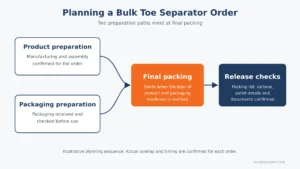
Sublimation samples arrive in 7-9 days from artwork approval. Knit-in samples take 12-15 days. For bulk production, sublimation runs 20-25 days; knit-in runs 25-30 days. If you’re sourcing for a product launch in Q4 with a tight deadline, sublimation is your safety net. We recently handled a rush order for a retailer needing 3,000 pairs of commemorative socks in 18 days total; knit-in would have been impossible. They chose sublimation, launched on time, and the socks sold out at full margin. The speed advantage isn’t trivial—it directly impacts your cash flow and your ability to respond to market demand.
Real-World Application: When to Choose Each Method
We recommend sublimation for promotional socks (corporate giveaways, event merchandise under 2,000 pairs), fashion brands needing rapid sampling iterations, and any design with complex color work. Choose knit-in for team uniforms, retail products sitting on shelves for over a year, athletic performance lines where durability messaging matters, and long-term wholesale partnerships where the logo is core to brand identity. If you’re unsure which fits, MOQ flexibility helps: we accept 100 pieces per style with mixed colors and sizes on both methods, so test both at small volume and measure performance with your customers. The data you gather—how many returns, how the logo holds after 20 washes, how customers perceive the quality in reviews—will guide larger orders.
Frequently Asked Questions
Can I sublimate a logo on cotton or cotton-blend socks?
Sublimation works only on polyester or high-polyester-blend fabrics because the process requires the dye to bond directly with synthetic fibers. Cotton and cotton blends require knit-in, woven label, or embroidery methods instead.
How many washes does a sublimated logo survive?
A properly sublimated logo on a quality polyester sock typically survives 50-100+ washes with minimal fading. After 50 washes in warm water, you’ll notice slight color shift, but the logo remains visible and intact for at least two full seasons of regular wear.
Is knit-in more expensive for small MOQs like 500 pairs?
Yes, significantly. At 500 pairs, knit-in costs 35-45% more per unit than sublimation because the setup and jacquard machine time are higher relative to volume. Sublimation’s per-unit cost stays flat regardless of volume within reason.
Can I do a two-color knit-in logo faster than sublimation?
No. Knit-in requires 12-15 days for samples and 25-30 days for bulk production regardless of color count. Sublimation samples are ready in 7-9 days, making it faster even for simple designs.
Which method is better for athletic performance socks?
Knit-in is preferred because the logo doesn’t create any surface texture that might cause friction or pressure points, and athletes perceive it as more durable. Sublimation is fine functionally but rarely the first choice for competitive sports.
If you’re sourcing custom football socks and want to test both methods before committing to a larger order, contact us at Rongtao Sport. We’ll provide samples of sublimated and knit-in logos on your specifications so you can compare quality, durability, and cost directly. With 20 years of experience across every logo method, our sourcing team can walk you through the trade-offs for your specific market and timeline.