


Toe separators have evolved far beyond niche wellness products—they now serve dual markets with distinct quality, design, and regulatory requirements. Whether you’re a retailer stocking consumer wellness items or a podiatrist ordering professional-grade tools, understanding the differences between these two applications is critical for successful sourcing. This distinction shapes everything from material selection and durability standards to branding opportunities and production timelines. For businesses exploring private label or custom toe separator manufacturing, partnering with an experienced OEM/ODM supplier becomes essential to meeting these varied market demands efficiently and cost-effectively.
Understanding Market Segmentation: Retail vs. Podiatry Toe Separators
The retail wellness market and professional podiatry sector represent two fundamentally different customer bases with overlapping but distinct needs. Retail toe separators are typically marketed as self-care products for everyday consumers—people seeking relief from bunions, improved foot alignment during yoga or pilates, or general relaxation. These products emphasize comfort, aesthetics, and affordability, often sold through gyms, beauty stores, and online marketplaces. In contrast, podiatry-grade toe separators are prescribed or recommended by licensed practitioners and used within clinical or therapeutic settings. These products must meet stricter performance standards, durability requirements, and often comply with medical device regulations depending on jurisdiction. Understanding this segmentation helps manufacturers and retailers align their sourcing strategy with the end-user expectations and regulatory landscape of each market.
Material Composition and Durability Standards
Material choice directly impacts product performance, longevity, and market acceptance in both segments. Retail toe separators typically use silicone, gel compounds, or foam materials that prioritize comfort and user experience. These materials are softer, more forgiving, and appeal to casual users who prioritize ease of use and value. Podiatry-grade separators often require medical-grade silicone or specialized thermoplastic materials that withstand frequent cleaning, sterilization cycles, and intensive daily use. The durability expectations differ significantly: a retail product might be replaced annually, while a podiatry tool must maintain structural integrity through hundreds of hours of patient contact. When sourcing toe separators, specifying material grade, tensile strength, and resistance to degradation under clinical conditions becomes paramount. Working with an OEM/ODM manufacturer with 20 years of experience means access to established material suppliers and quality assurance protocols that guarantee your products meet the appropriate durability standards for your target market.
Customization, Branding, and Logo Application Methods
Branding flexibility is a major consideration for retailers seeking to differentiate their products in competitive markets. Five distinct logo application methods—woven labels, printed labels, hang tags, heat transfer, and embroidery—offer retailers multiple touchpoints for brand visibility and customer recognition. Retail customers often appreciate hang tags that communicate product benefits, care instructions, and brand storytelling, while heat transfer or printed labels work well for subtle, professional branding on the product itself. Podiatry suppliers, meanwhile, may prioritize woven labels for durability and professional appearance, along with heat-transferred clinic or practice branding. The choice of customization method influences production timelines and minimum order quantities. Rongtao Sport accommodates mixed orders with a minimum of just 100 pieces per style, allowing smaller retailers and independent practitioners to achieve custom branding without massive inventory commitments. This flexibility is crucial for businesses testing market response or building new product lines incrementally.
Production Timelines and Quality Assurance
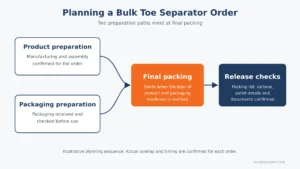
Sourcing toe separators requires realistic expectations about production and delivery schedules. Standard sampling timelines of 7 to 12 days allow businesses to evaluate prototypes, test material feel, and verify color accuracy before committing to larger runs. This rapid sampling capability is invaluable for retailers needing to respond quickly to seasonal trends or podiatry suppliers evaluating new products for clinical recommendations. Bulk production typically spans 20 to 30 days, accounting for material procurement, manufacturing, quality inspection, and packaging. For retail businesses planning seasonal campaigns or holiday inventory, understanding these timelines enables better planning and stock management. Podiatry suppliers benefit from reliable production windows that align with practice needs and patient demand cycles. Quality assurance protocols must ensure that retail products meet consumer safety standards while podiatry products comply with applicable medical device regulations. An experienced OEM/ODM partner maintains consistency across production batches, reducing the risk of quality variation that could damage brand reputation or compromise clinical efficacy.
Regulatory Compliance and Market Entry Considerations
Regulatory requirements diverge significantly between retail and podiatry markets. Retail toe separators sold as wellness or self-care items generally face fewer regulatory hurdles, though they must comply with consumer product safety standards, material regulations, and accurate marketing claims. Podiatry-grade products may be classified as medical devices in many jurisdictions, triggering requirements for clinical testing, biocompatibility certification, and detailed documentation. The classification depends on marketing claims, intended use, and local regulations. Retailers entering the podiatry supply market should research specific requirements in their region and understand whether their products require medical device certification. Conversely, podiatry suppliers expanding into retail channels must ensure their products can be marketed appropriately to consumer audiences without triggering medical device classifications if that’s not their intent. An OEM/ODM manufacturer with extensive experience serves both markets and understands these regulatory nuances, helping clients navigate compliance requirements and avoid costly mistakes during market entry or expansion.
Rongtao Sport’s two decades of manufacturing expertise position us as an ideal partner for businesses seeking to source professional-grade or retail toe separators tailored to your specific market segment. Whether you’re a retailer building a private-label wellness line or a podiatry practice seeking durable, customizable solutions, our flexible MOQ structure, rapid sampling capability, and multiple branding options ensure your products arrive market-ready. Contact Rongtao Sport today to discuss your toe separator sourcing needs and discover how our OEM/ODM capabilities can accelerate your product development and market success.